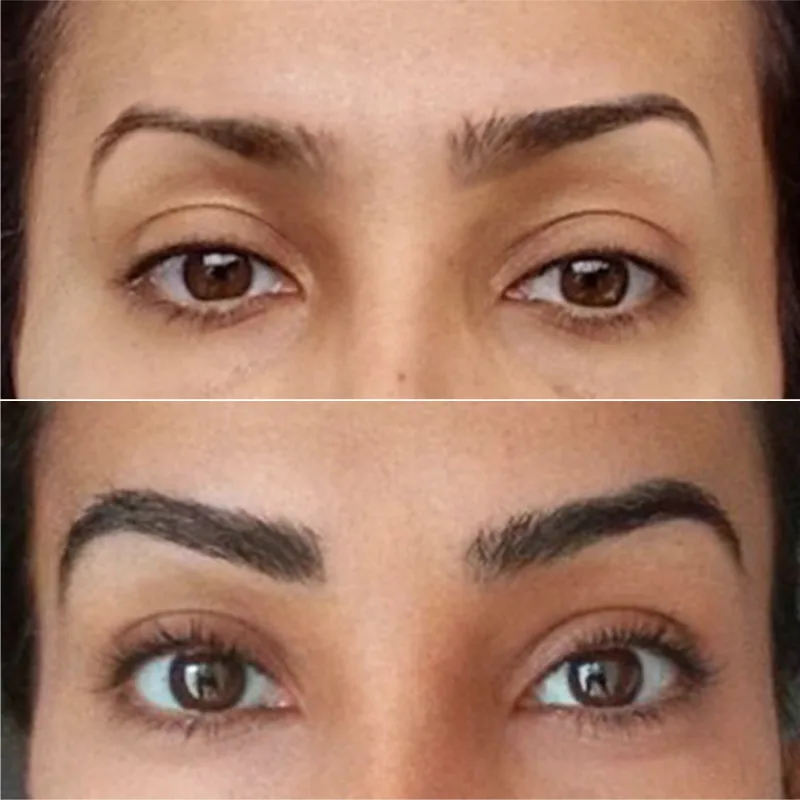
Awarded Eyebrow Transplant in Turkey
Receive a free hair analysis by an elite clinic in Turkey, certified by the Turkish Ministry of Health.
Medical Tourism Overview
Istanbul is one of the leading destinations for modern hair restoration—combining experienced medical teams, advanced techniques, and a streamlined patient journey.
Many clinics structure the experience as an all-inclusive package: procedure planning, transfers, accommodation, and guided aftercare—so you can focus on your recovery with clarity and confidence.
What Is an Eyebrow Transplant?
Eyebrow transplantation is a precision procedure designed to restore shape and density by relocating healthy follicles from a donor area to the brow region—tailored to your natural brow direction and symmetry.
In many cases, a micro-FUE approach is used to harvest follicles individually, allowing controlled placement for a refined, natural-looking result.
The treatment is typically performed under local anesthesia and aims to deliver long-term eyebrow fullness with a customized design plan.
Eyebrow Transplant Techniques
Eyebrow restoration can rebuild lost density, refine asymmetry, or enhance the arch for a more defined look. The approach is selected based on your brow goals, donor capacity, and the level of detail required.
Patients typically choose among three established techniques—each designed to prioritize natural direction, symmetry, and long-term growth.
FUE Eyebrow Transplant Technique in Turkey
Follicles are extracted individually from the donor area and then implanted with an eyebrow-specific angle plan. A reliable option for natural density improvements and structured brow shaping.
- ✓ Cost-effective planning for broader coverage
- ✓ Micro-channels designed for eyebrow direction
- ✓ Minimal downtime with precise placement mapping
FUE Sapphire Eyebrow Transplant Technique
An FUE-based approach that emphasizes refined channel creation for consistent placement. Often selected when patients prioritize a structured implantation plan and clean, controlled micro-incisions.
- ✓ Channel strategy focused on uniform distribution
- ✓ Recovery-friendly planning (case dependent)
- ✓ Micro-incisions sized for eyebrow zone precision
DHI Direct Hair Transplant Technique
Follicles are implanted using a dedicated implanter tool, supporting refined control over direction and spacing— particularly useful for detailed shaping in the brow head and arch areas.
- ✓ High naturality through directional control
- ✓ Focused work for symmetry and fine detailing
- ✓ Efficient placement workflow (case dependent)
Frequently Asked Questions
Clear answers to the most common questions about eyebrow & beard transplantation, technique choice, recovery, and travel planning.
+ Is an eyebrow transplant permanent?
In most cases, yes. Transplanted follicles are taken from a stable donor zone and typically continue to grow long-term. The key is correct angle placement (brow-specific) and proper aftercare in the first weeks.
+ How do you decide between FUE, FUE Sapphire, and DHI?
Selection depends on your goal (density vs. detailing), donor availability, and how refined the direction control must be. DHI is often chosen for precision detailing; FUE options are commonly used for structured coverage planning. Final planning is confirmed after medical evaluation.
+ When will I see visible results?
Early shedding can occur in the first weeks (a normal phase). New growth commonly becomes noticeable from around the 3rd–4th month, with progressive improvement toward the 9th–12th month as hairs mature and thicken.
+ Will the procedure leave scars?
Modern extraction methods usually leave tiny, dot-like marks in the donor area that are difficult to notice once healed. Visibility depends on skin characteristics, healing response, and donor management.
+ How painful is it?
The procedure is typically performed under local anesthesia. You may feel pressure or brief discomfort during numbing, while post-procedure tenderness is usually manageable with the recommended care plan.
+ What should I avoid after eyebrow or beard transplantation?
Avoid rubbing, pressure, steam/sauna, heavy sweating, and direct sun exposure during the early healing phase. Your team will provide a day-by-day aftercare routine, including washing instructions and sleeping position guidance.
+ How many days should I plan to stay in Turkey?
Most patients plan a short stay to cover consultation, procedure day, and a follow-up check. Exact timing depends on your protocol and travel schedule.
+ Can I return to work quickly?
Many patients return to desk-based work within a few days, depending on swelling and comfort. If your job involves heavy activity, it’s usually recommended to extend rest and follow medical guidance.
+ Is beard transplantation suitable for everyone?
Suitability depends mainly on donor strength, skin characteristics, and the reason for hair loss. A clinical assessment confirms whether the plan can achieve natural direction and density for your target design.
+ How do I start the consultation?
The fastest way is WhatsApp. Share clear photos (front/side), your goal, and any relevant medical information. You’ll receive an initial assessment and a proposed plan.